Two Regions of Zambia. Two crises. One proven solution. In the Southern Half, we regenerate soil that rainfall has abandoned. In the Northern Half, we grow fish that lakes can no longer provide. Both use local inputs. Both scale.
Farmer Training
Tons of Fish
Crises
Seed Capital
Building Climate Change Resilience — One Farmer, One Plot, One Fish House at a Time.
The Green Fluent Foundation is a Zambian not-for-profit social enterprise. We do not give handouts. We build systems. We train farmers in regenerative agriculture. We manufacture climate-smart inputs. We connect produce to markets. We prove that the green economy can start in rural Zambia. We base our approach on these three pillars:
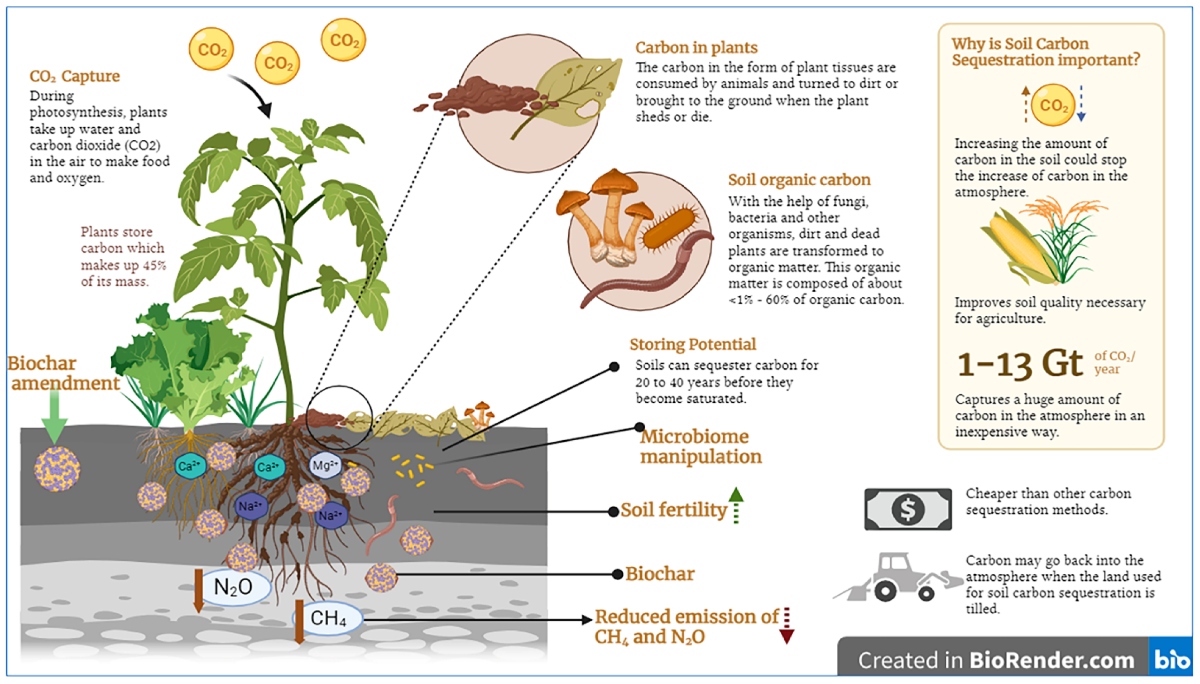
Pillar 1 — REGENERATE: 'Soil that grows stronger every season. Green Fert+ with activated biochar, nitrogen-rich rabbit urine, and compost. Locally made. Farmer-priced. Permanently carbon-sequestering. Periodic Planting of Trees.' Green Fert+ — activated biochar locks carbon in soil for centuries. Rabbit urine delivers fast nitrogen without synthetics. Compost rebuilds microbial life. Result: soil that improves itself.
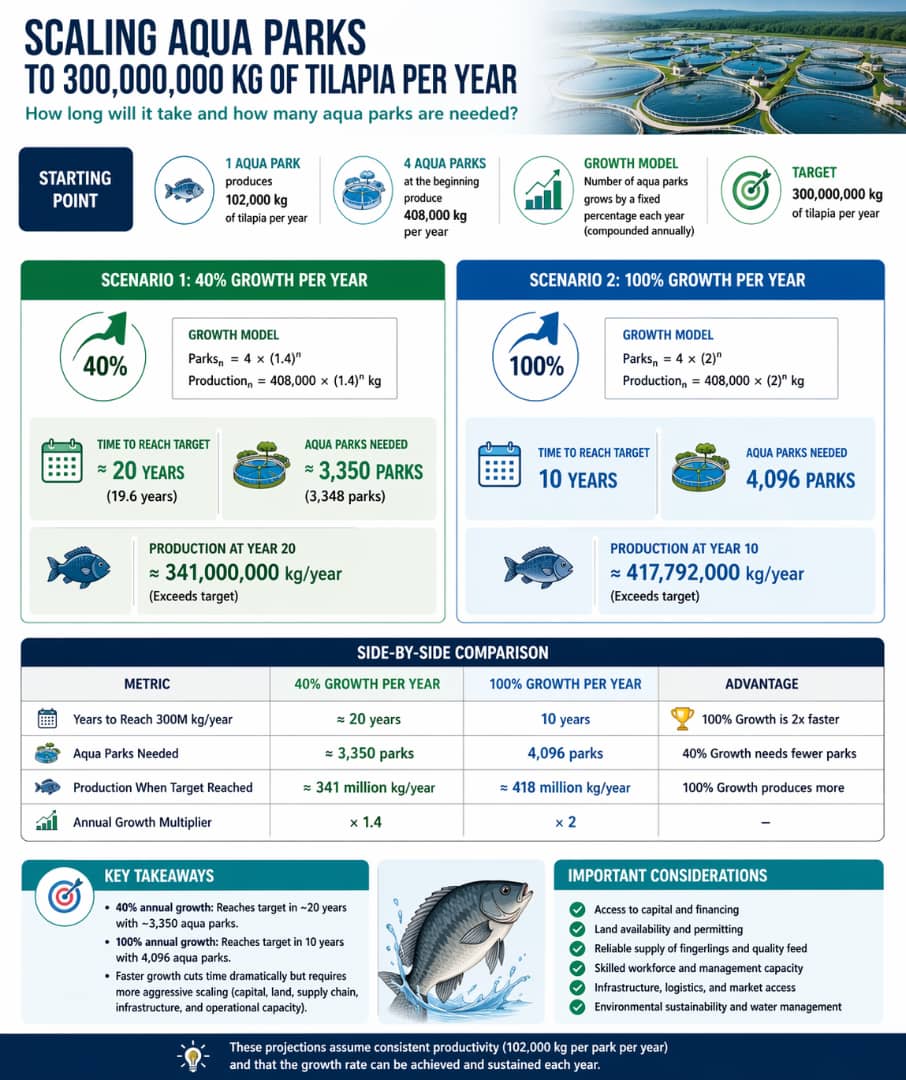
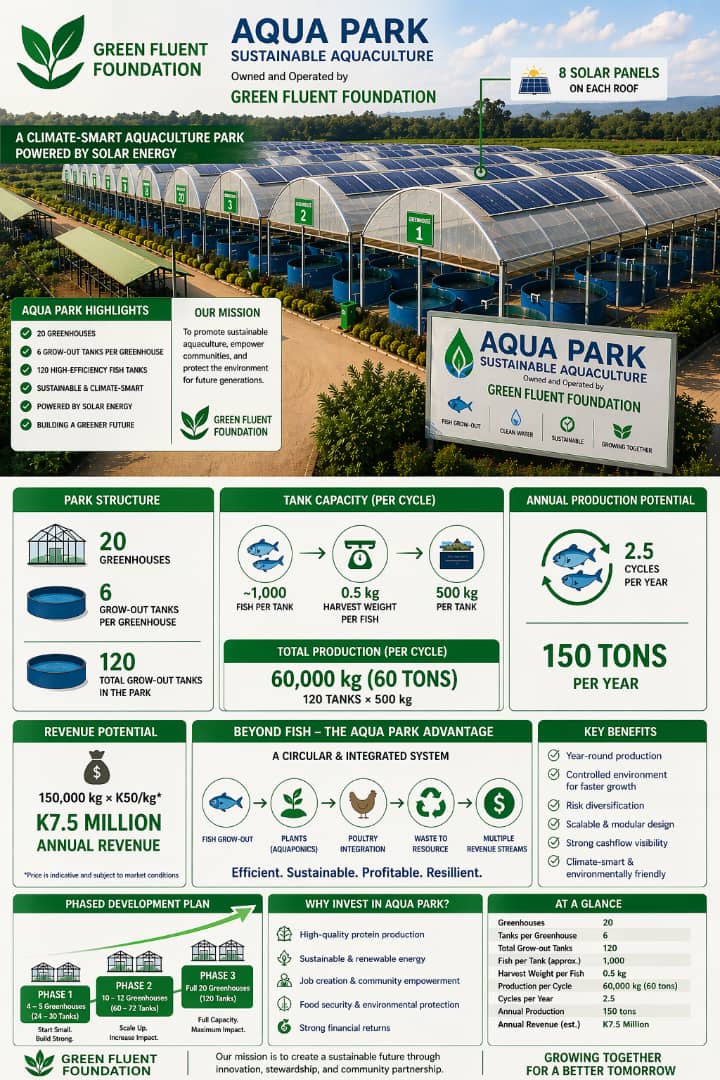
Pillar 2 — PRODUCE: Fish that feed families year-round. A-RAS Fish Houses — 144m² greenhouses producing 150-250kg every 3-4 weeks. Less water than a pond. More income than a season. A-RAS Fish Houses — 6 tanks in 144m². Harvest every 3-4 weeks. Tilapia and catfish together. Effluent waters vegetables. Local Result: protein and produce, year-round, anywhere with a water source.
Pillar 3 — PROSPER: Markets that pay fairly. Aggregation centres, wholesale farm markets, climate insurance, carbon credits. Farmers keep profits. Communities keep growing. Farmers earn $300-500 more annually from carbon credits. By Year 2. Cooperatives own Aqua Parks. Youth lead technology. Women manage markets.
How It Works — From Soil to Market to Scale. Every intervention is connected. Every output feeds the next.
Aggregation centres collect produce. Wholesale markets sell it. Climate insurance protects it. Carbon credits monetize restoration—localized result: fair price, reduced risk, diversified income.
Overall Result: Evidence-based outcomes:
Before training: synthetic fertilizer dependence. Declining yields. Seasonal income. Degraded soil. After intervention: 18 months with Green Fert+. Activated biochar. Rabbit urine. Compost. Soil carbon up. Water retention up. Yields up 30-60%.
With Fish, the change is even faster and more dramatic: Use of fish cages, nets and traditional fish ponds. Slow fish growth. Seasonal catches. Harvest once a year. Fish Houses, A-RAS Fish House produce monthly protein and income. 10x Annual production. Nutrient-rich waste water used to grow vegetables. wasted vegetables used to feed rabbits and livestock.
Sustainable climate-resilient communities, net-zero landscapes.
'CLIMATE-RESILIENT ZAMBIA — Food secure. Income stable. Carbon negative. Export ready.

Country Director

Strategy & Cooperation

Fintech Integration

Carbon Markets
Farmer Training Centers — A Working Partnership with the Ministry of Agriculture
The most productive smallholder farmers in Zambia are located in the southern region, particularly in ecological zones I, IIa, and IIb, which face significant climate change challenges. Over the next five years, we will strengthen our partnership with the Ministry in 125 constituencies through a sustainable approach focused on four key modules:
Module 1 — Regenerative Agriculture:
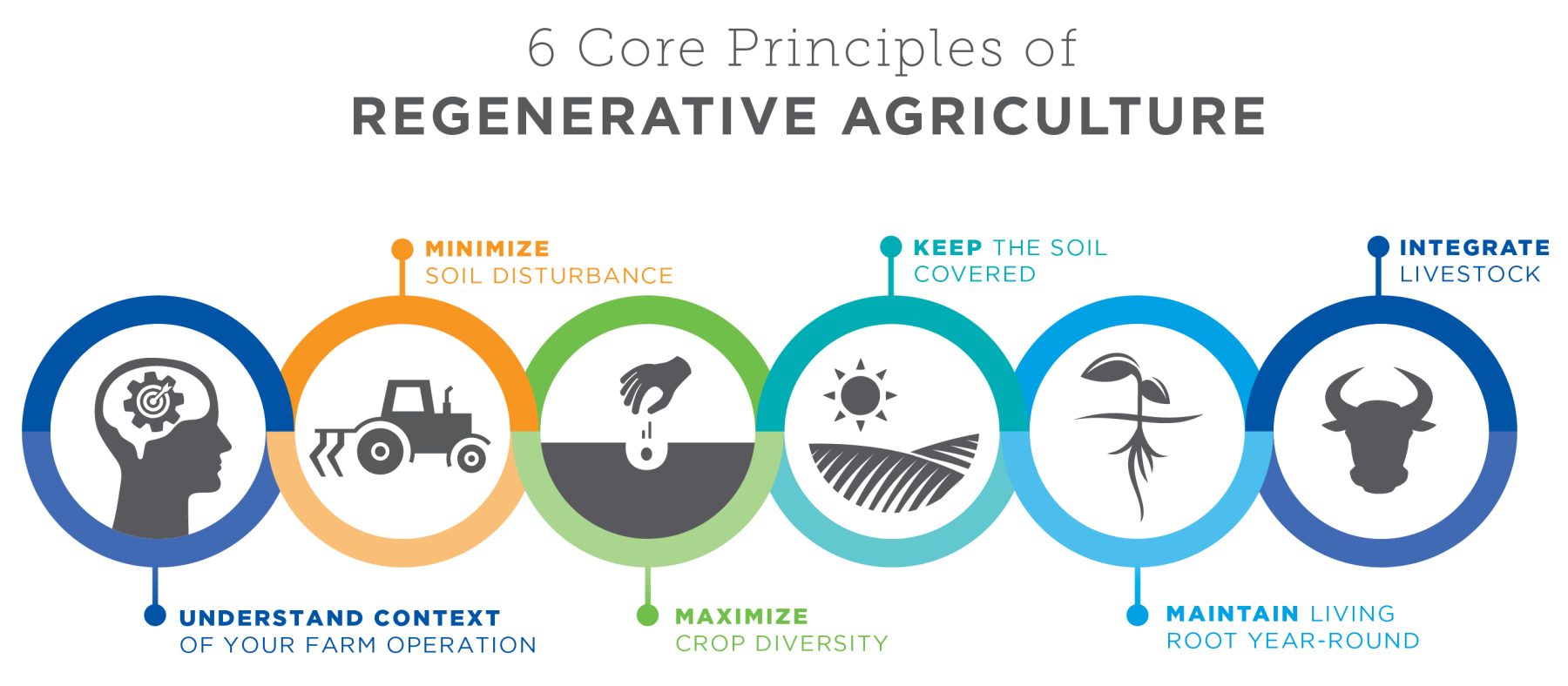
We will teach sustainable farming techniques, crop diversification, and their links to agroforestry, animal husbandry, and aquaculture, showcasing the benefits of GreenFert+, Activated BioChar, and compost for selling carbon credits.
Module 2 — Production:
Farmers will learn to maintain healthy soil year-round, enabling them to achieve higher yields through effective land management.
Module 3 — Connection:
Aggregation centers will collect produce for wholesale markets. Climate insurance will protect crops, and carbon credits will reward restoration efforts, ensuring fair prices and diverse incomes for farmers.
Module 4 — Path to Scale towards prosperity:
Farmers can earn an extra $300-500 annually from carbon credits, helping to cover fertilization costs by the second year. With fintech solutions, they can access marketplaces driven by youth and managed by women, fostering climate-resilient communities.
Join us in launching the Farmer Training Centers!
Fish Houses — Aquaculture Anywhere
One fish house is a 144m² greenhouse that produces a minimum 150-250kg of fish every 3-4 weeks. Less water and a smaller footprint than a pond. More control than a lake. Year-round income, not seasonal hope.
Partner-On-A-Fish House Entry Paths:
Path 1 — Homestead Fish House: Single Fish House for family consumption + surplus sale. $2,500-5,000.
Path 2 — School Agriculture Club: '1-2 units for student training and school feeding. School self-sufficiency income generator, $5,000-10,000. Grant-eligible.
Path 3 — Fish Houses for Differently: Sponsored unit at Chiengi Demo Site 2. $2,500. Learn hands-on, then replicate near homestead.
Path 4 — Cooperative Aqua Park: 20 unit cluster with shared biofilter and cold chain. $150,000-180,000. Grant or Loan + equity hybrid.
Partner with us on a 'Pay-it-forward' Social Contract for rippled benefits you can track.
Your Identity Is Your Asset
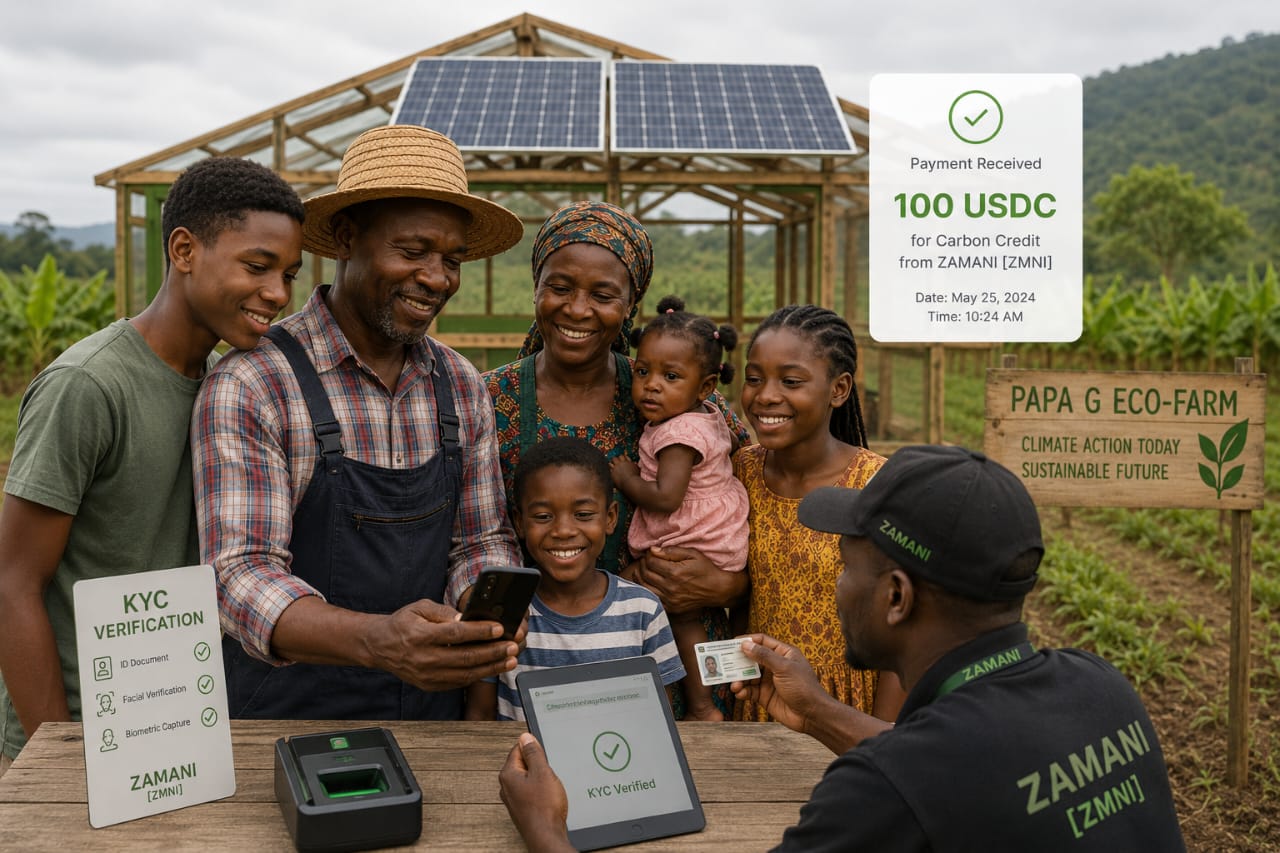
One digital ID. Input financing. Market access. Carbon payments. Climate Insurance. All from your phone. Register once. Access everything. No bank account needed. Last mile Financial Inclusion.
Every farmer gets a secure digital ID
no bank account required. Use it to access input financing, sell produce, receive carbon payments, and build a credit history that follows you across every centre and every season.
Trust & Security Section·
Your Data Is Yours
Biometric data encrypted. Transaction records immutable. You control who sees what. No selling to third parties. No spam. Ever.
· GDPR-Aligned Data Protection'
· Blockchain-Verified Transaction History
· Independent Security Audit Annual
Financial Inclusion by Design
60% of rural Zambians are unbanked. Our KYC system turns farm history into financial credibility. Biometric registration + mobile identity + transaction history = formal market access, microfinance eligibility, and climate credit participation. Transparent. Traceable. Tamper-proof.
Sign Up Today, and we'll schedule a visit to your community!
Your Farm Is a Carbon Sink
High integrity Verified Projects! Plant trees. Regenerate soil. Earn verified carbon credits. Paid directly to you. A new revolutionary direct approach.
Our farmers sequester 2–5 tCO2e per hectare through biochar, agroforestry, and soil regeneration. Verified independently. Tracked by satellite and soil test. Sold to international buyers. Revenue returned directly to rural communities. With government levies paid at source automatically.
· Step 1 — PLANT & PROTECT: Trees on your land. Managed through your cooperative. Monitored by satellite. Protected by community agreement.
· Step 2 — MONITOR & VERIFY: Soil carbon tested annually. Tree cover tracked by remote sensing. Third-party auditor visits every 2 years. All data is public.
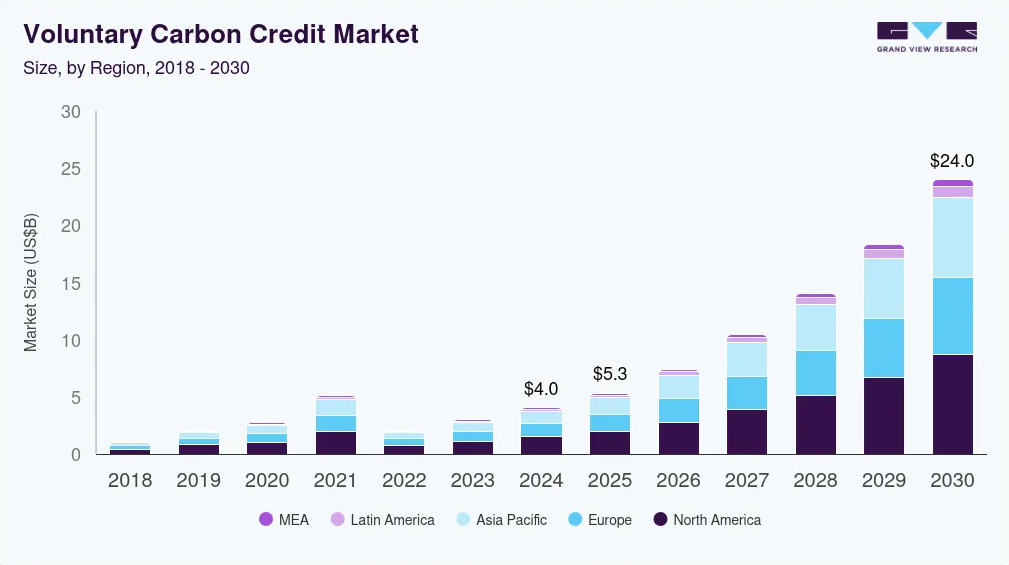
· Step 2 — CERTIFY AND SELL: Credits issued via a credible registry. Sold to corporate buyers, impact investors, and offset platforms. Indicative Price 2025: $15–25 per tCO2e.
· Step 4 — EARN & REINVEST: 65% to farmers and cooperatives — distributed by mobile money. 35% to Cost, centre operations — maintenance, expansion, Fees, Levies, training.
Sign Up Today for Voluntary Carbon Market Trade!
You can also support farmers by buying carbon credits directly from projects.
Ready to participate on our projects? That's great! Give us a call or send us an email and we will get back to you as soon as possible!
+260 955-072-0000